10-18Y
14-16Y
16-18Y
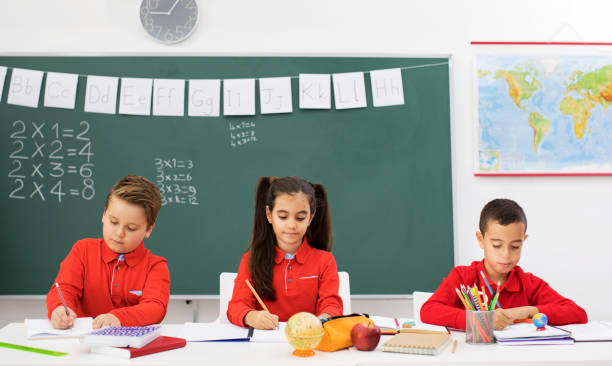
In the evolving landscape of modern education, the definition of a “good school” has expanded significantly. Academic excellence alone is no longer the sole benchmark of quality. Today, parents and educators increasingly prioritize holistic education in schools, which focuses on nurturing every aspect of a student’s development—intellectual, emotional, social, and ethical.
A truly holistic school prepares students not just for examinations, but for life. It fosters curiosity, builds character, and equips learners with the skills needed to navigate an increasingly complex and interconnected world.
This article explores what makes a school truly holistic, highlighting the essential components that contribute to well-rounded student development.
Holistic education in schools refers to an approach that goes beyond traditional academics. It aims to develop the complete personality of a student by integrating:
Rather than focusing solely on grades, holistic education encourages students to explore their interests, develop critical thinking skills, and build meaningful relationships.
Parents today often explore options such as international schools in Bangalore that adopt global frameworks aligned with holistic learning principles.
A strong academic foundation remains a core element of holistic education. However, the focus shifts from rote memorization to conceptual clarity and application-based learning.
Key academic features of a holistic school include:
Many top schools in Bangalore emphasize these methods to ensure students gain a deep understanding of subjects rather than simply memorizing information.
One of the defining aspects of holistic education in schools is the emphasis on values and ethics. Schools play a crucial role in shaping a child’s character by promoting:
Value-based education helps students develop a strong moral compass, guiding their decisions both inside and outside the classroom.
Emotional intelligence is a key component of holistic growth. Schools that adopt a holistic approach provide structured support for:
Such environments encourage students to express themselves confidently while understanding and respecting others.
Holistic education recognizes that learning extends beyond textbooks. Participation in co-curricular and extracurricular activities allows students to explore their interests and talents.
These activities may include:
Such experiences contribute to confidence, discipline, and teamwork, which are essential life skills.
A holistic school prioritizes physical health as part of overall development. Regular physical activity supports:
Sports programs and wellness initiatives are therefore integral to holistic education systems.
In a globalized world, exposure to diverse cultures and perspectives is essential. Schools offering international curricula, such as international baccalaureate schools in Bangalore, often emphasize:
This prepares students to thrive in multicultural environments and global careers.
Every student has unique strengths, interests, and learning styles. Holistic education focuses on recognizing and nurturing these differences through:
Such personalized approaches help students reach their full potential without being constrained by standardized systems.
Technology plays an important role in modern education, but in a holistic system, it is used as a supportive tool rather than a replacement for traditional learning.
Schools integrate technology through:
This enhances learning experiences while maintaining a balance between digital and experiential education.
A key outcome of holistic education in schools is the development of essential life skills, including:
These skills prepare students to handle real-world challenges effectively.
Parents often evaluate institutions such as best international schools that focus on both academic excellence and life skills development.
A holistic school fosters a positive and inclusive environment where students feel safe, respected, and motivated to learn.
Key elements include:
Such an environment promotes confidence and a sense of belonging among students.
Holistic education is most effective when schools and parents work together. Regular communication and collaboration ensure that students receive consistent support both at home and in school.
Parents can contribute by:
This partnership strengthens the overall development of the child.
Holistic education in schools represents a comprehensive approach to learning that prepares students for both academic success and life beyond the classroom. By integrating academics, values, emotional development, and life skills, holistic schools nurture well-rounded individuals capable of adapting to a rapidly changing world.
A truly holistic school goes beyond textbooks—it shapes character, fosters curiosity, and builds confidence. For parents seeking meaningful and future-ready education for their children, choosing a school that embraces holistic principles can make a lasting difference in their child’s growth and success.
1. What is holistic education in schools?
Holistic education focuses on the overall development of students, including academic, emotional, social, and physical growth.
2. Why is holistic education important?
It helps students develop life skills, confidence, and adaptability, preparing them for real-world challenges.
3. How do schools implement holistic education?
Schools use a combination of academic learning, extracurricular activities, value education, and life skills programs.
4. Does holistic education improve academic performance?
Yes, it enhances understanding, engagement, and critical thinking, which can lead to better academic outcomes.
5. What should parents look for in a holistic school?
Parents should consider factors such as balanced curriculum, extracurricular opportunities, value-based education, and student support systems.