10-18Y
14-16Y
16-18Y
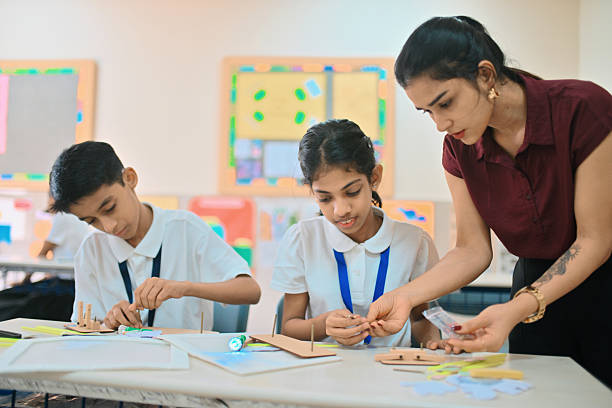
Education is more than textbooks and exams. While academics provide essential knowledge, the holistic development of a child also relies heavily on extracurricular experiences. The importance of co curricular activities in a child’s education cannot be overstated, as these activities nurture creativity, social skills, leadership, and emotional intelligence.
Parents and educators increasingly recognize that children need opportunities to explore interests beyond academics. Activities such as sports, music, arts, debate, and community service complement classroom learning and help children develop skills that last a lifetime.
Many best schools in bangalore integrate co-curricular programs into their daily curriculum to ensure children receive balanced education. This guide explores why co-curricular activities are essential, their benefits, and how parents can support their children in engaging effectively.
Co-curricular activities are structured activities that complement academics and encourage learning in different domains. They foster:
Schools that prioritize these activities, such as top rated schools in bangalore, ensure children have access to clubs, competitions, and guided programs that help them excel beyond academics.
Co-curricular activities span a wide range of interests and skills. Some common categories include:
Physical fitness is an integral part of child development. Sports like football, basketball, swimming, and athletics help children:
Schools that offer well-rounded sports programs emphasize the importance of co-curricular activities in developing life skills.
Arts and creative activities encourage imagination, self-expression, and critical thinking. Examples include:
Participation in these activities fosters creativity, confidence, and emotional intelligence. Many top schools in bangalore provide dedicated art and music programs that allow children to explore and develop their talents.
Academic clubs provide opportunities to explore subjects beyond textbooks:
Such activities strengthen intellectual curiosity and practical application of knowledge.
Leadership roles in student councils, eco-clubs, or social initiatives teach responsibility and empathy. Children learn to:
Community engagement activities are particularly effective in nurturing compassionate and socially aware individuals.
Participating in cultural events helps children appreciate diversity and tradition. Examples:
These experiences enhance cultural awareness, teamwork, and social confidence.
The importance of co curricular activities extends beyond immediate academic performance. They contribute to long-term personal, social, and emotional growth:
Contrary to popular belief, involvement in co-curricular activities often enhances academics. Children learn time management, focus, and discipline, which can positively influence classroom performance.
Children gain practical skills such as leadership, communication, and problem-solving. These abilities are crucial for higher education and career readiness.
Performing in sports, arts, or competitions helps children develop self-esteem and confidence in their abilities.
Physical activities and creative hobbies provide outlets for stress and emotional expression, contributing to overall mental health.
Team sports, group projects, and collaborative events teach children to cooperate, communicate effectively, and resolve conflicts.
Parents play a crucial role in supporting their children’s participation:
By actively supporting co-curricular involvement, parents help children recognize the importance of co curricular activities in shaping their character and future.
The school environment significantly impacts a child’s access to co-curricular activities. Parents should look for schools that:
Consistency and routine are key. Parents and educators can help children:
Such structured integration reinforces the value of these activities while avoiding stress.
The importance of co curricular activities in a child’s education cannot be overstated. These activities promote holistic development, emotional well-being, leadership skills, and creativity, while also complementing academic performance. Schools and parents together play a pivotal role in providing opportunities, guidance, and support. By encouraging participation in sports, arts, cultural events, and community service, children not only become well-rounded individuals but also build confidence and social skills that prepare them for life beyond the classroom.